
Discover the ultimate Umrah packing list for Pakistani pilgrims. Learn what to pack, from Ihram requirements and unscented toiletries to travel documents and daily essentials.
Important Travel Documents & Finance
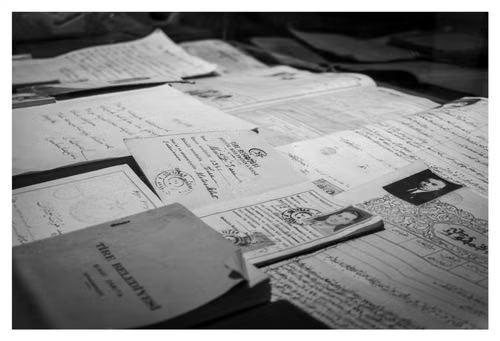
Securing your paperwork and funds is the foundational step of your pilgrimage preparation. Never pack these items into main checked bags; keep them directly on your person or inside your dedicated cabin hand-carry pouch throughout the flight from Pakistan.
- Valid Original Passport & CNIC/NICOP: Your passport must retain at least 6 months of validity beyond your intended departure date. Keep physical national identity cards handy for airport check-in desks across Pakistani hubs.
- Approved E-Visa Printouts: Carry multiple crisp, physical printouts of your Saudi Umrah visa. Having paper copies speeds up verification during customs clearance at King Abdulaziz International Airport (Jeddah) or Prince Mohammad bin Abdulaziz Airport (Madinah).
- Flight Tickets & Hotel Confirmations: Printed vouchers for your round-trip flights and hotel bookings in Makkah and Madinah are required at immigration desks and hotel reception counters.
- Initial Saudi Riyal Cash: Exchange currency in Pakistan before departure to keep approximately 300–500 SAR in small denominations on hand. This covers immediate ground transport, SIM card purchases, or airport refreshments before visiting local money exchange counters (Sarraf).
- International Card Activation: Notify your local Pakistani bank (such as Meezan, HBL, or Bank Alfalah) to white-list international usage on your debit or credit cards for seamless ATM cash withdrawals in Saudi Arabia.
- Digital Cloud Backups: Store high-resolution PDF scans of your passport, visa, vaccination records, and hotel vouchers on Google Drive or your smartphone for emergency offline access.
Clothing & Ihram Requirements
Selecting appropriate clothing involves balancing religious compliance with the intense Middle Eastern climate. Because male and female pilgrims have distinct outfit criteria, organizing your wardrobe around lightweight, durable fabrics ensures comfort during long hours at the Holy Mosques.
- Male Ihram Sheets: Pack at least two separate sets of unstitched Ihram (four white sheets total). Opt for 100% breathable terrycloth or heavy-gauge cotton towel material. Toweling fabric absorbs sweat better during daytime temperatures and prevents the sheets from turning semi-transparent under bright courtyard floodlights. Keeping an extra set in your hand-carry guarantees you can change quickly if one gets soiled during transit.
- Securing Belt & Pouch: A sturdy, stitchless Ihram belt or specialized anti-theft waist pouch is essential for men. It secures the lower sheet (Izar) firmly in place while safely holding your smartphone, room keys, and currency during Tawaf without violating Ihram rules.
- Daily Attire Outside Ihram: Pack 3 to 4 pairs of loose-fitting cotton Shalwar Kameez or lightweight Saudi thobes for non-Ihram days in Makkah and Madinah. Neutral or light colors reflect heat far better than dark shades.
- Modest Abayas for Women: Women should bring 3 to 4 loose, non-see-through Abayas paired with breathable cotton Hijabs. Breathable fabrics like Nidha or lightweight linen prevent overheating. Carry extra under-scarves (caps) to absorb sweat and keep head coverings secure in windy courtyards.
- Ihram-Compliant & Walking Footwear:
- Men in Ihram: Must wear open slippers or sandals that leave the top ridge of the foot (instep) and ankles completely exposed.
- General Walking: Bring a broken-in pair of cushioned walking shoes or supportive sneakers for non-Ihram days and long walks between your hotel and the mosque gates. Avoid brand-new shoes that cause friction blisters.
- Shoe Storage Pouch: Every pilgrim needs a compact, washable drawstring bag to store footwear when entering Al-Masjid an-Nabawi or Masjid al-Haram, avoiding lost shoes at crowded exit gates.
Unscented Toiletries (Ihram-Compliant)
Maintaining personal hygiene in the state of Ihram requires absolute caution regarding synthetic fragrances. According to Islamic jurisprudence, applying scented soaps, perfumes, or fragranced lotions while in Ihram triggers penalty rules (Fidyah). Packing a dedicated kit of fragrance-free personal care items guarantees compliance while keeping you fresh.
- Fragrance-Free Soap & Shampoo: Pack 2 to 3 travel-sized bars or bottles clearly labeled “unscented” or “fragrance-free.” Avoid standard hotel soaps provided in KSA, as almost all contain added perfumes.
- Unscented Anti-Chafing Creams & Vaseline: The continuous walking during Tawaf and Sa’i—combined with the friction of unstitched Ihram sheets—frequently causes painful inner thigh chafing for men. Applying pure, fragrance-free petroleum jelly or anti-chafing balm prior to entering Ihram offers vital skin protection.
- Alcohol-Free & Unscented Wet Wipes: Essential for quick cleanups during long airport layovers or extended stays inside the Haram, particularly when full ablution facilities are crowded. Ensure they contain no added floral extracts or artificial scents.
- Fragrance-Free Deodorant / Alum Stone: Standard antiperspirants contain heavy perfumes. Opt for unscented mineral salt deodorant sticks or traditional crystal alum stone (Phitkari) to control body odor safely during Ihram.
- Oral Hygiene Essentials: Pack your toothbrush, travel toothpaste, and natural Miswak twigs in a sealed zip-lock bag. Using a natural Miswak is sunnah and provides a quick way to freshen up before prayers without requiring scented mouthwashes.
- Grooming Tools (Checked Luggage Only): Nail clippers, small folding scissors, and safety razors are needed for cutting hair during Taqsir or Halq upon finishing Umrah. Important: Place all sharp metal items in your main checked suitcase; airport security across Pakistani terminals will confiscate them from cabin carry-on bags.
Personal Health & First-Aid Kit
The combination of dense international crowds, desert climate shifts, and miles of concrete walking can quickly strain your physical immunity. Preparing a customized health pouch with familiar Pakistani pharmaceuticals ensures minor ailments do not disrupt your worship schedule.
- Regular Daily Medications: Pack a sufficient supply of your essential prescription drugs (such as blood pressure, diabetes, or asthma treatments) to cover your entire itinerary plus an extra 5 days of travel cushion. Keep these in their original pharmacy packaging alongside a signed doctor’s prescription.
- Pain & Fever Management: Extended walking across polished marble floors frequently triggers lower back pain, knee strain, and headaches. Include reliable analgesics and antipyretics like Paracetamol or Ibuprofen to ease muscle soreness after completing Tawaf and Sa’i.
- Respiratory & Throat Relief: Rapid transitions between hot outdoor courtyards and ice-cold air-conditioned indoor prayer halls frequently cause throat irritation, colloquially known as the “Umrah cough.” Pack throat lozenges, decongestant nasal sprays, and anti-allergy antihistamines to manage sudden congestion early.
- Rehydration & Electrolyte Packs: Dehydration occurs rapidly under the Saudi sun, even during cooler months. Carry oral rehydration salts (ORS) or electrolyte powder sachets to mix into Zamzam water bottles, maintaining your energy levels during extended stays in the Haram.
- Blister & Foot Care: Friction blisters on heels and toes are among the most common injuries pilgrims experience. Pack hydrocolloid blister plasters, antiseptic ointment, and adhesive bandage strips to treat minor hot spots before they make walking uncomfortable.
- Digestive System Support: Switching to regional Saudi cuisine and dining out daily can occasionally cause stomach distress. Include antacids, anti-diarrheal tablets, and laxatives to manage dietary adjustments smoothly.
Electronics & Daily Essentials
Staying digitally connected simplifies navigation, group communication, and accessing digital permits across Makkah and Madinah. Modern Saudi infrastructure relies heavily on digital access, making personal electronics a vital part of your daily Umrah routine.
- Power Bank (10,000mAh to 20,000mAh): Continuous GPS usage, photography, and app notifications will drain your phone battery faster than usual during long stays in the Haram. Critical Airline Rule: Power banks must strictly be packed in your cabin hand-carry luggage; airport security across Pakistani terminals will confiscate lithium batteries found inside checked bags.
- Type G Power Adapter (UK 3-Pin): Electrical outlets in Saudi hotels predominantly use the UK-style Type G 3-pin rectangular configuration operating at 220V. Bring a multi-plug adapter or a compact power strip if your family needs to charge multiple phones, smartwatches, and power banks simultaneously from one wall socket. ElectronicsHub by Alibaba.com
- Smartphone & Essential Apps: Ensure your smartphone is unlocked to accept international SIM cards before departing Pakistan. Pre-install and log in to key mobile applications prior to arrival:
- Nusuk: Essential for booking your Rawdah entry permit and managing official pilgrimage services.
- Google Maps: Useful for navigating pedestrian routes between your hotel, nearby restaurants, and specific mosque gates.
- Saudi Telecom Apps (STC / Mobily / Zain): Helpful for monitoring your local KSA data usage, call minutes, and topping up packages.
- Compact Travel Prayer Mat: Courtyard marble floors can become intensely hot during Dhuhr or crowded during Friday prayers. Carry a lightweight, foldable pocket prayer mat in your drawstring bag for outdoor prayer setups.
- Reusable Zamzam Water Bottle: Bring a durable, BPA-free water bottle or a small thermos flask. You can refill it continuously at the cold and non-cold Zamzam dispensing stations situated throughout Al-Masjid an-Nabawi and Masjid al-Haram.
- Sunglasses & UV Protection: The white marble surrounding the Holy Kaaba reflects sharp solar glare during midday hours. Pack a pair of UV-blocking sunglasses and a small umbrella to protect against heat stroke during daylight walks.
Written by: Gharnata Future Consultant
Last Updated: August 2026